
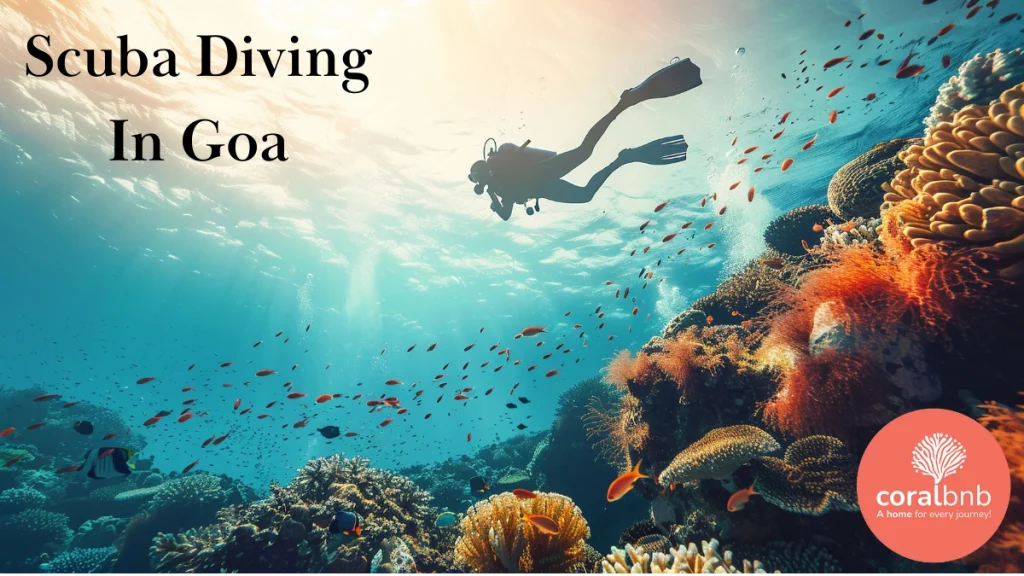
Scuba diving in Goa has become one of India’s most loved beginner adventures, thanks to calm waters, colourful marine life, and easy access from North and South Goa. If you’re planning your first scuba diving in Goa, you’re in for one of the most unforgettable experiences of your life.
This guide covers everything: locations for best scuba diving in Goa, scuba diving cost, marine life, safety, and what beginners and non-swimmers can expect during underwater diving in Goa.
Let’s dive in
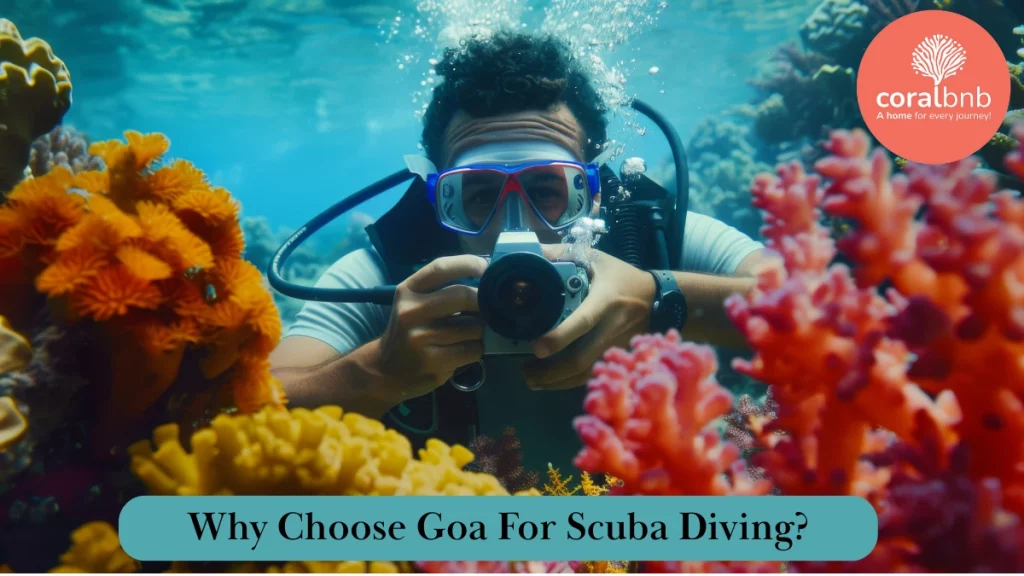
Why Choose Goa for Scuba Diving?
Goa is one of the most beginner-friendly destinations for under water diving in Goa. Here’s why travellers love it:
- Clear & calm waters ideal for first-timers
Goa’s dive spots have gentle waves and stable sea conditions, making it easier for beginners to breathe and balance underwater.
- Shallow dive sites with low currents
Most dives happen in 5–12 metres of water with mild currents, ensuring a relaxed and safe experience for new divers.
- Affordable and safe compared to many destinations
Goa offers budget-friendly scuba packages without compromising on safety, equipment quality, or instructor expertise.
- Certified instructors with beginner-friendly training
Experienced PADI/SSI-certified instructors guide you through every step — from briefing to underwater support.
- Plenty of fish & coral around islands and reefs
The waters around Grande and Bat Island are home to colourful fish, corals, and underwater life perfect for first-time divers.
- Easy access from North and South Goa
Dive centres are conveniently located near all major beaches, with transport and boat rides included in most packages.
In short: Goa gives you a safe, beautiful, budget-friendly underwater experience — even if you’ve never tried scuba before.
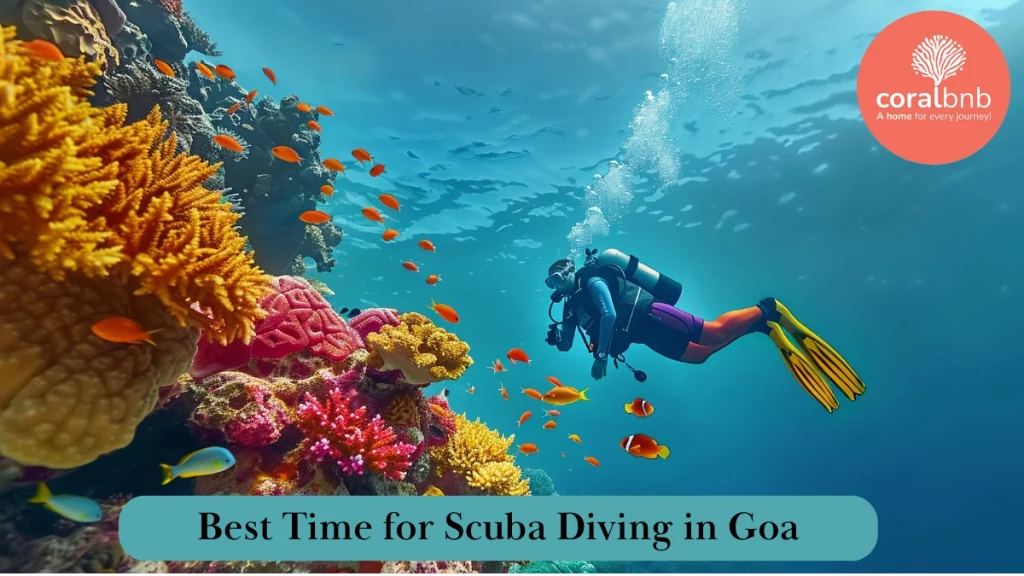
Best Time for Scuba Diving in Goa
Your scuba experience heavily depends on sea conditions and visibility.
Best months:
From October to May, visibility improves across all major scuba diving in Goa locations, especially around Grande Island and Bat Island. These months offer the best scuba diving experience for beginners and non-swimmers.
What each season offers:
- October–December: Clearest waters, best visibility
Post-monsoon seas settle beautifully during these months, giving the clearest underwater visibility of the year. The water is calm, the weather is pleasant, and marine life is active — making it the best season for first-time divers.
- January–March: Calm seas, comfortable temperatures
These months offer stable sea conditions with mild waves and comfortable water temperatures. It’s ideal for relaxed, beginner-friendly dives, especially for those who prefer cooler weather and smooth boat rides.
- April–May: Slightly warm but great for marine sightings
Goa gets warmer in summer, but this period is surprisingly good for spotting fish and other marine species. The water remains clear, and many operators recommend early-morning dives for the best conditions.
- June–September: No diving due to monsoons & high tides
Scuba diving is suspended during the monsoon season because of rough seas, strong currents, and poor visibility. Dive centres close operations during this period to ensure safety.
Plan your dive in the morning — that’s when the water is the calmest.
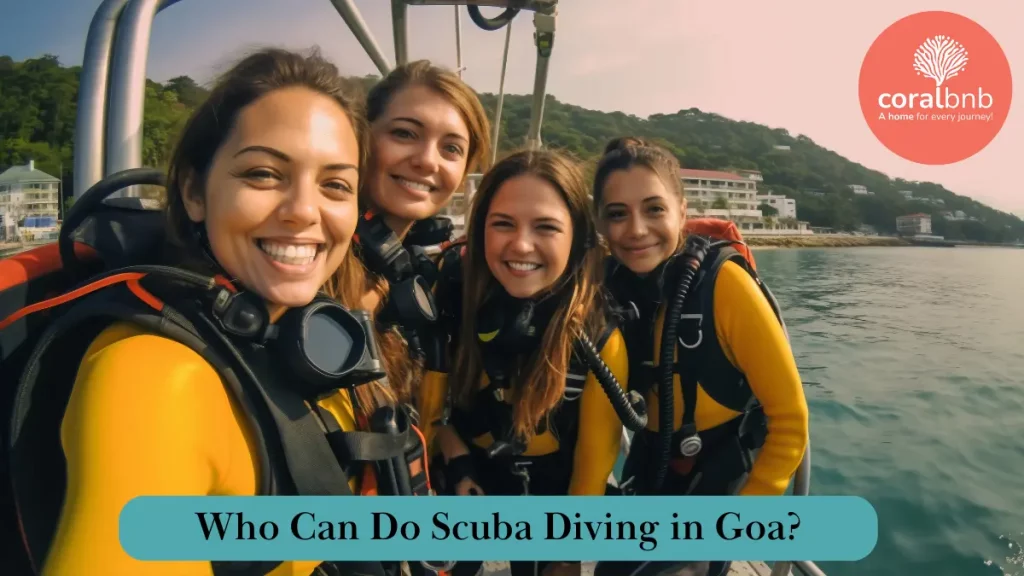
Who Can Do Scuba Diving In Goa?
Most visitors choose deep sea diving in Goa because it doesn’t require swimming. Even non-swimmers can try it safely with certified instructors controlling buoyancy and movement.
Here are the basic requirements:
- Minimum age: 10–12+ (depending on operator)
Most dive centres in Goa allow children aged 10 and above to join introductory dives. Some operators prefer 12+ for deeper or longer dives, but all offer child-friendly training and supervision.
- No swimming skills required for basic intro dives
Scuba diving in Goa is designed for beginners, so you don’t need to know swimming at all. Your instructor stays right beside you, controlling buoyancy and guiding your movements throughout the dive.
- Basic fitness level
You don’t need to be an athlete — simple, everyday fitness is enough. As long as you can walk comfortably, climb a small boat ladder, and breathe normally, you’re good to go.
- No major heart, asthma, or ear problems
People with serious heart conditions, asthma, or chronic ear issues should avoid diving for safety reasons. A quick health questionnaire is filled before starting to ensure you’re medically fit for the activity.
- Comfortable in water (even if you can’t swim)
As long as you’re not scared of water and can stay relaxed, you’ll enjoy the dive. The equipment keeps you buoyant, and your instructor manages all the underwater movement.
If you have medical conditions, always inform your instructor beforehand.
Scuba Diving for Non-Swimmers
Non-swimmers make up almost 80% of Goa’s diving crowd — and they absolutely love it.
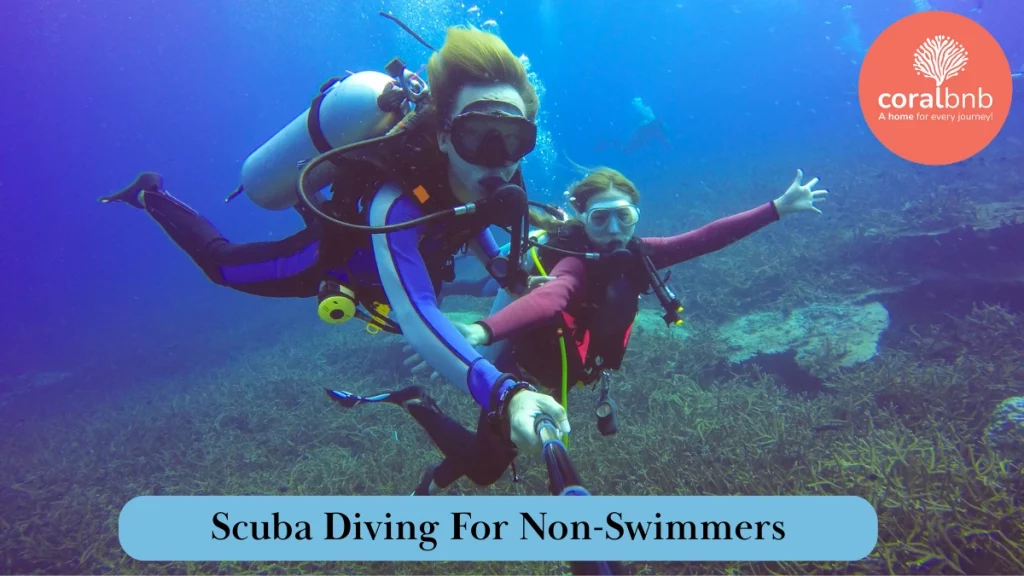
Here’s how it works:
- Depth is shallow (5–12 metres)
Most beginner dives take place in shallow, calm waters where visibility is high and the environment is controlled, making it safe and comfortable for first-timers.
- A certified instructor stays with you throughout
You are never left alone — a professional, licensed dive instructor holds your gear, guides your movement, and monitors your safety at every moment.
- You practice breathing & hand signals beforehand
Before entering the water, the instructor teaches you how to breathe through the regulator and use simple hand signals so communication underwater becomes easy and stress-free.
- You get full support underwater — you don’t need to swim
The instructor controls your buoyancy, movement, and direction. Even if you can’t swim, they help you float, stay balanced, and enjoy the experience without any physical effort.
If you can float with a life jacket, you can scuba dive.
Scuba Diving for Kids
Scuba diving for kids opens up a whole new world of colourful fish, coral, and adventure—perfect for young explorers.
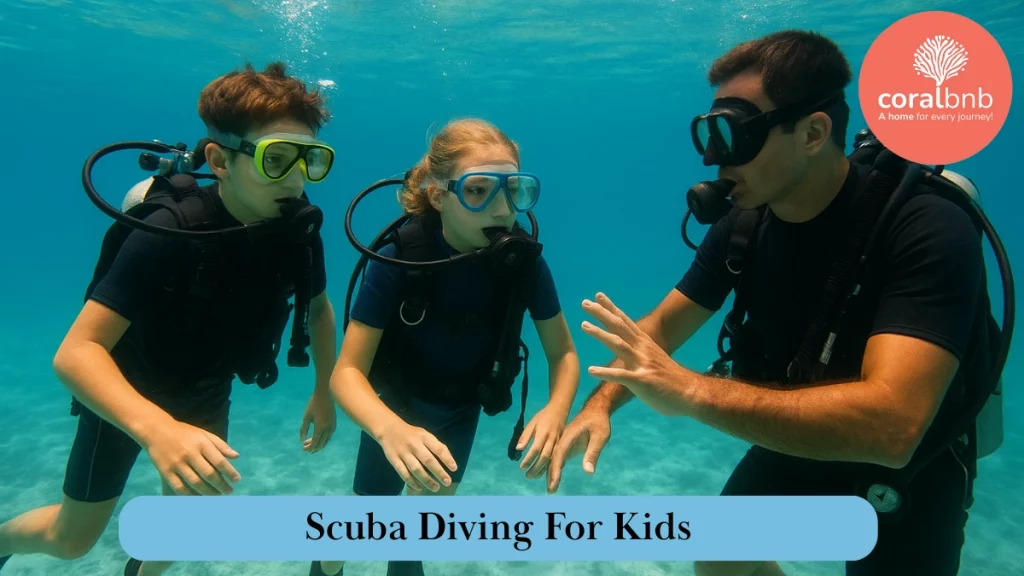
- Minimum recommended age: 10 years
Most operators allow kids aged 10+ for beginner dives, ensuring they meet safety and comfort requirements before entering the water.
- Shallow practice sessions
Before the actual dive, beginners practice in shallow water to get comfortable with breathing, gear handling, and basic underwater movements.
- Lightweight equipment
The gear provided for intro dives is lighter and easy to manage, designed specifically so beginners don’t feel overwhelmed or restricted.
- Special supervision from a dedicated instructor
A certified instructor stays by your side the entire time, offering one-on-one guidance, support, and safety monitoring throughout the dive.
It’s safe, guided, and a great confidence-building experience for children.
Best Places For Scuba Diving in Goa
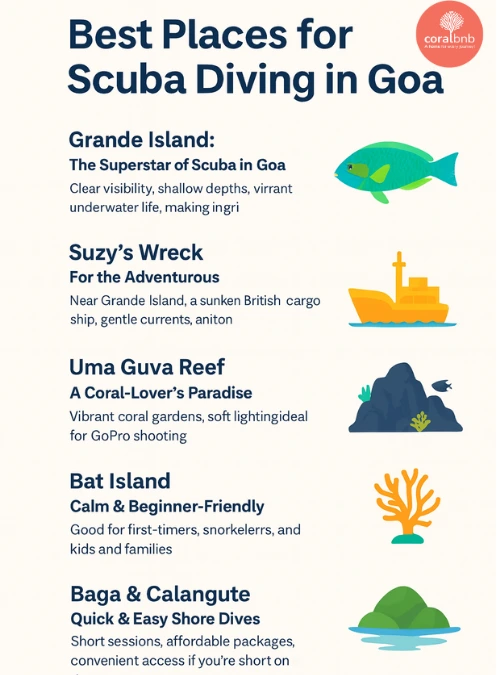
1. Grande Island — The Superstar of Scuba in Goa
This is where most scuba diving in Goa takes place — and for good reason. The island offers clear visibility, shallow depths, and a vibrant underwater world, making it perfect for beginners, non-swimmers, and first-time divers.
What makes it special:
- Bright coral patches
- Calm waters with low currents
- Safe and beginner-friendly conditions
Marine life you may spot:
Parrotfish, butterflyfish, eels, snappers, sergeant majors, angelfish, sea urchins, and occasionally stingrays.
If you’re doing scuba diving in Goa for the first time, Grande Island should be your No.1 pick.
2. Suzy’s Wreck — For the Adventurous
Located near Grande Island, Suzy’s Wreck is a sunken British cargo ship that now serves as a marine habitat. It’s shallow, safe, and incredibly exciting.
Why divers love it:
- Gentle currents
- Beautiful coral growth
- A real shipwreck experience without deep waters
Perfect for beginners who want a slightly adventurous twist to their dive.
3. Sail Rock — For Experienced Divers Only
Sail Rock is one of the most thrilling scuba diving spots in Goa, but it’s only meant for certified and experienced divers.
What to expect:
- Stronger currents
- Impressive rock pinnacles rising from the seabed
- Massive schools of tuna, barracuda, and groupers
If you’re looking for deep sea diving in Goa, this is the ultimate site.
4. Uma Guva Reef — A Coral-Lover’s Paradise
Uma Guva Reef is ideal if you’re interested in underwater photography. The reef offers colourful corals, beautiful fish, and calm conditions — great for beginner and intermediate divers.
Highlights:
- Vibrant coral gardens
- Soft lighting ideal for GoPro shooting
- Peaceful and scenic underwater views
5. Bat Island — Calm & Beginner-Friendly
Bat Island is a great alternative to Grande Island if you prefer super calm waters and a relaxed dive.
Good for:
- First-timers
- Snorkelers
- Kids and families
It’s not as deep or dramatic, but it’s peaceful and perfect for easy underwater exploration.
6. Baga & Calangute — Quick & Easy Shore Dives
If you’re staying in North Goa and just want a quick intro dive, Baga and Calangute beaches offer basic shore diving.
What you get:
- Short sessions
- Affordable packages
- Convenient access if you’re short on time
These spots don’t have reefs as rich as the islands, but they’re great for practicing the basics of scuba.
Scuba Diving Cost in Goa
Wondering about scuba diving charges in Goa? Here’s a breakdown of typical scuba diving prices in Goa.
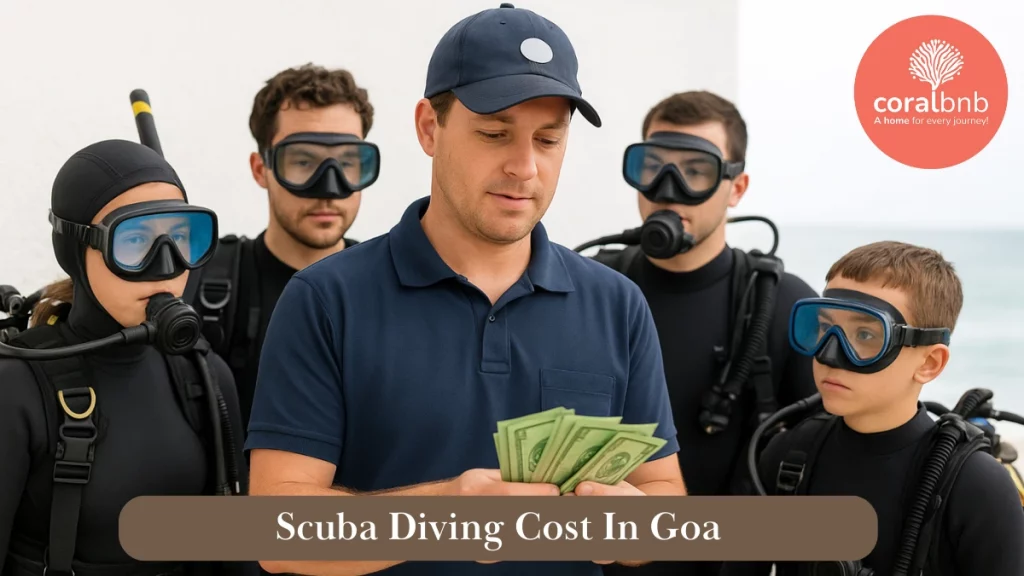
✔ Budget Operators: ₹1,499–₹2,500
Ideal for quick introductory dives, but safety standards may differ — so always check reviews and instructor credentials.
✔ Mid-Range (Best Choice): ₹2,500–₹4,000
Offers certified instructors, reliable equipment, and a safer overall experience—perfect for most beginners.
✔ Premium / PADI: ₹4,000–₹6,000
Includes high-quality gear, longer dive durations, and professional photo/video packages for a smoother experience.
✔ PADI Certifications: ₹18,000–₹28,000
Full scuba training courses with internationally recognized certification, skill-building sessions, and multiple open-water dives.
Extras that may cost more:
• HD photos/videos – Charged separately by most operators.
• Pickup & drop – Optional transport service depending on your location.
• Meals – Some packages include basic meals, others charge extra.
• GoPro rental – Additional fee if you want to capture your dive footage.
Depending on your operator and season, Goa scuba diving cost may vary. Some operators also list Goa scuba diving rates separately for North and South Goa.
If you’re searching by region, note that scuba diving in South Goa price is slightly higher due to fewer operators, while scuba diving in North Goa price is more competitive.
Marine Life in Goa
Underwater diving in Goa may be modest compared to international dive sites, but it’s still vibrant and full of life — perfect for first-time divers.
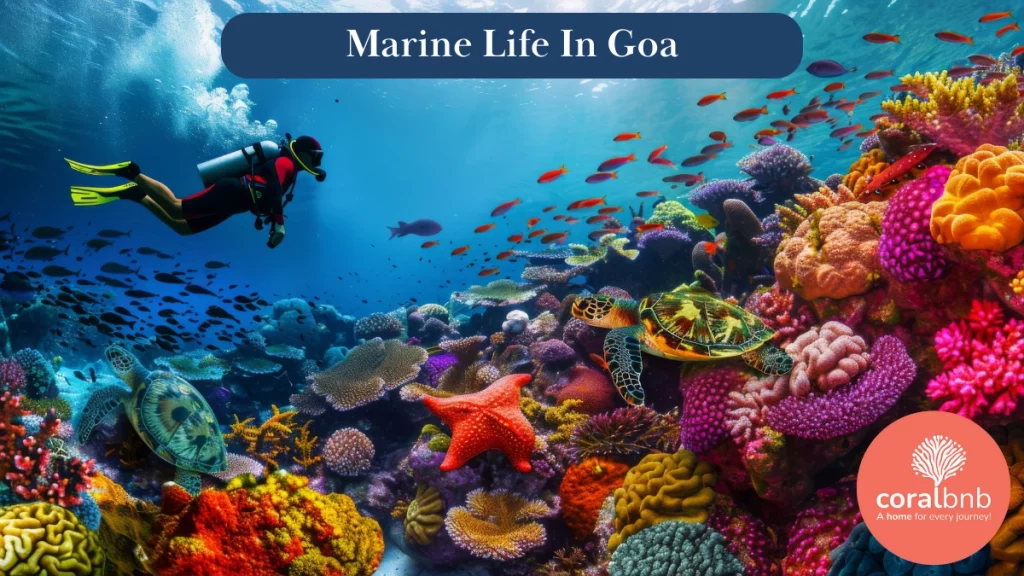
Expect to spot:
- Butterflyfish – Small, bright, and often seen in pairs around reefs.
- Clownfish – The famous “Nemo” fish hiding playfully in sea anemones.
- Snappers – Fast-moving schooling fish that add energy to the dive.
- Sea cucumbers – Slow, soft-bodied creatures resting on the ocean floor.
- Parrotfish – Colourful reef grazers known for their beak-like mouths.
- Groupers – Larger, calm fish often found near rocks and ledges.
- Coral patches – Small but vibrant coral formations teeming with micro-life.
- Sea urchins – Spiny, round creatures dotting sandy and rocky bottoms.
- Occasionally turtles or rays – Rare sightings, but magical when they happen.
Note: Visibility in Goa isn’t Maldives-clear, but for beginners, the mix of marine species, shallow depths, and safe waters makes the experience unforgettable.
How the Scuba Diving Experience Works (Step-by-Step)
From the moment you step onto the boat to the time you explore the underwater world, here’s how your scuba diving journey actually happens.
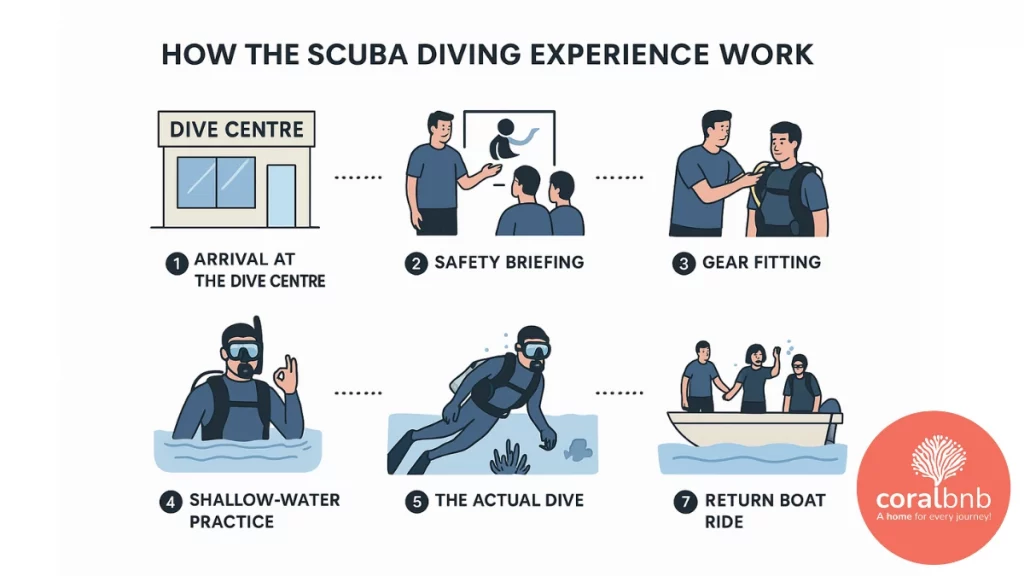
1. Arrival at the Dive Centre
Your experience begins with registration, basic paperwork, and a quick introduction to your instructors and the dive schedule.
2. Safety Briefing
You’ll learn essential underwater hand signals, breathing techniques, and equalisation methods to keep your ears comfortable during descent.
3. Gear Fitting
The team will help you wear a wetsuit, fins, mask, weight belt, and air tank, ensuring everything fits snugly and safely.
4. Shallow-Water Practice
Before the dive, you spend a few minutes in shallow water learning how to breathe comfortably, float, and handle the equipment.
5. The Actual Dive
With your instructor holding you throughout, you descend slowly into the water, exploring coral patches, colourful fish, and the calm underwater world.
6. Photos & Videos
Most operators provide GoPro footage or underwater photos so you can relive your dive and share it with friends.
7. Return Boat Ride
After the dive, relax on the boat as you head back—enjoying the breeze, the views, and the satisfaction of completing your underwater adventure.
What to Pack for Your Scuba Dive
Keep your bag light but stocked with the essentials to ensure a smooth and comfortable diving experience.
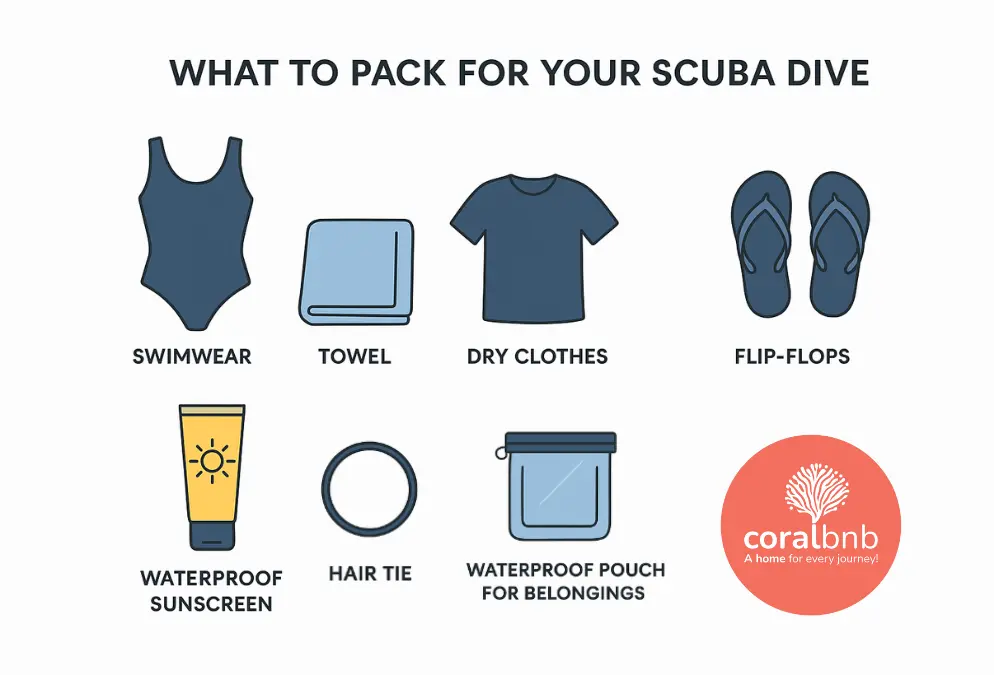
- Swimwear
Wear something comfortable under your wetsuit so you can move freely during the dive.
- Towel
Useful for drying off after your practice session and the main dive.
- Dry clothes
Carry a fresh set of clothes to change into after your dive so you stay warm and comfortable.
- Flip-flops
Easy to slip on/off and perfect for wet, sandy areas near the dive site.
- Waterproof sunscreen
Protects your skin from strong sun exposure while on the boat or waiting on the shore.
- Hair tie
Keeps long hair secured so it doesn’t interfere with your mask or vision underwater.
- Waterproof pouch for belongings
Helps keep your phone, wallet, and small valuables safe from splashes.
Optional:
- Personal snorkel mask
Good for hygiene and comfort if you prefer using your own mask instead of shared equipment.
Safety Tips For Scuba Divers (Must-Read for First-Timers)
A few simple precautions will make your scuba diving experience safe, calm, and fully enjoyable.
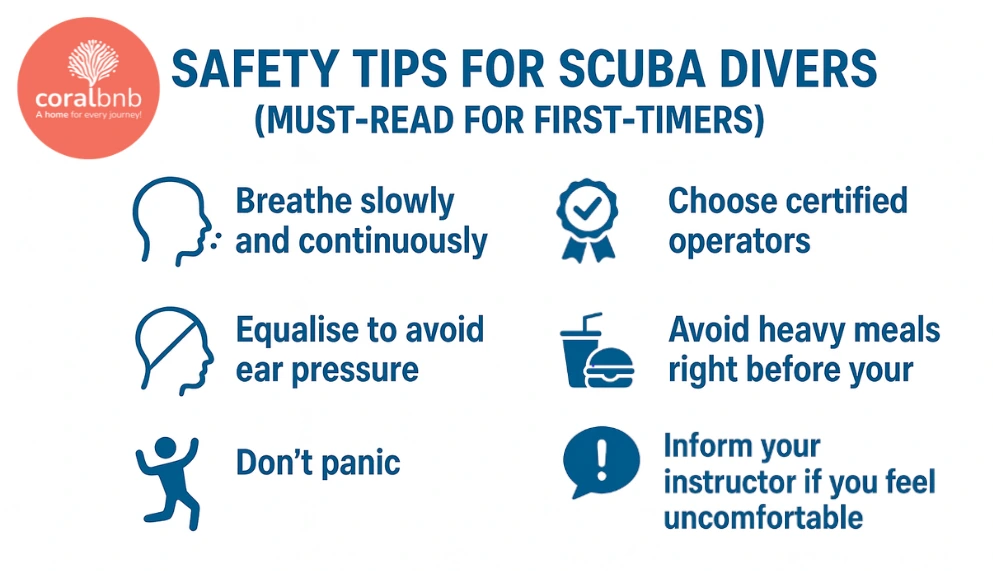
- Breathe slowly and continuously
Steady breathing keeps you relaxed and helps maintain buoyancy underwater.
- Equalise to avoid ear pressure
Gently pinch your nose and blow or swallow to release pressure as you descend.
- Choose certified operators
Make sure your dive centre is licensed, follows safety standards, and uses proper equipment.
- Don’t panic — your instructor is always by your side
You’ll be guided and supported throughout the dive, so stay calm and trust your instructor.
- Avoid heavy meals right before your dive
Eating too much can cause discomfort during the boat ride and underwater.
- Inform your instructor if you feel uncomfortable
Whether it’s mask pressure, breathing difficulty, or anxiety—signal your instructor immediately.
Common Mistakes to Avoid While Scuba Diving
To keep your dive safe and stress-free, make sure you avoid these simple yet important mistakes.
- Panicking underwater
Sudden movements or panic can disrupt your breathing—stay calm and rely on your instructor.
- Forgetting to equalise
Not releasing ear pressure during descent can cause discomfort, so equalise every few seconds.
- Touching corals
Corals are fragile and easily damaged; touching them can harm both the reef and your skin.
- Diving with a blocked nose
Congestion makes equalising difficult and unsafe—always dive when you’re feeling healthy.
Conclusion
Scuba diving in Goa is more than just an adventure — it’s a moment of peace, beauty, and awe that stays with you long after you surface. Whether you’re travelling solo, with friends, or with family, diving into Goa’s underwater world is something you should experience at least once in your life.
Whether you choose scuba diving in South Goa or scuba diving in North Goa, this is an adventure that stays with you forever. The colours, the silence, the feeling of floating — Goa’s underwater world is magical in its own way.
Breathe in, dive deep, and let Goa show you what lies beneath its waves
FAQs
1. How much does scuba diving cost in Goa?
Scuba diving in Goa ranges from ₹1,499 to ₹6,000, depending on the operator and package.
2. Is Goa good for scuba diving?
Yes, Goa is excellent for beginners thanks to calm waters, shallow sites, and safe guided dives.
3. Can beginners go scuba diving in Goa?
Yes, beginners can dive easily in Goa with full instructor support and no swimming skills required.
4. Which island is best for scuba diving in Goa?
Grande Island is the best and most popular scuba diving spot in Goa.
5. Which month is best for scuba diving?
October to March offers the clearest water and best dive conditions.
6. How long will a 1-liter scuba tank last?
A 1-liter tank typically lasts 10–15 minutes, depending on breathing and depth.
7. What is the scuba 1/3 rule?
Use one-third of air to go out, one-third to return, and keep one-third as a safety reserve.
8. What should I eat before scuba diving?
Eat a light, non-greasy meal like fruits, oats, or toast.
9. What not to do after scuba?
Avoid flying, alcohol, heavy workouts, hot showers, and massages right after diving.