

On my recent trip to Goa, I was honestly confused about where to shop and what’s actually worth buying. Everywhere I went, I saw the same things – cashews, spices, souvenirs, but the prices and quality varied a LOT.
After exploring local markets, talking to shopkeepers, and even overpaying in a few places (so you don’t have to), I’ve put together this guide.
So in this guide, I’m sharing everything from my personal experience:
- What’s actually worth buying in Goa
- Where I found the best deals
- Mistakes I made (so you don’t repeat them)
- Tips that locals shared with me
If you’re planning a Goa trip, this will help you shop smarter, not just more.
Where to Shop in Goa?

Before diving into the list of best things to buy in Goa, let’s look at where you can find them:
- Anjuna Flea Market – The most iconic flea market for boho dresses, jewellery, and accessories.
- Mapusa Market – A must-visit for spices, cashews, and local Goan sausages.
- Calangute Market Square – Great for cheap things to buy in Goa like beachwear, shells, and trinkets.
- Panjim (18th June Road) – A blend of boutique stores, wine outlets, and Goa famous items for shopping.
- Margao Market – Known for Goan sweets, pottery, and handmade home décor.
Tip: Visit these markets in the morning or late afternoon to avoid the heat and crowds.
What are the Best Things to Buy in Goa?
The best things to buy in Goa include:
- Cashews
- Feni
- Goan Spices
- Goan sausages (chorizo)
- Beach Jewellery & Accessories
- Portuguese Ceramic and Lamp Décor
- Local Wines
- Traditional Goan Sweets
1. Cashews in Goa (Most Popular but Easy to Overpay)
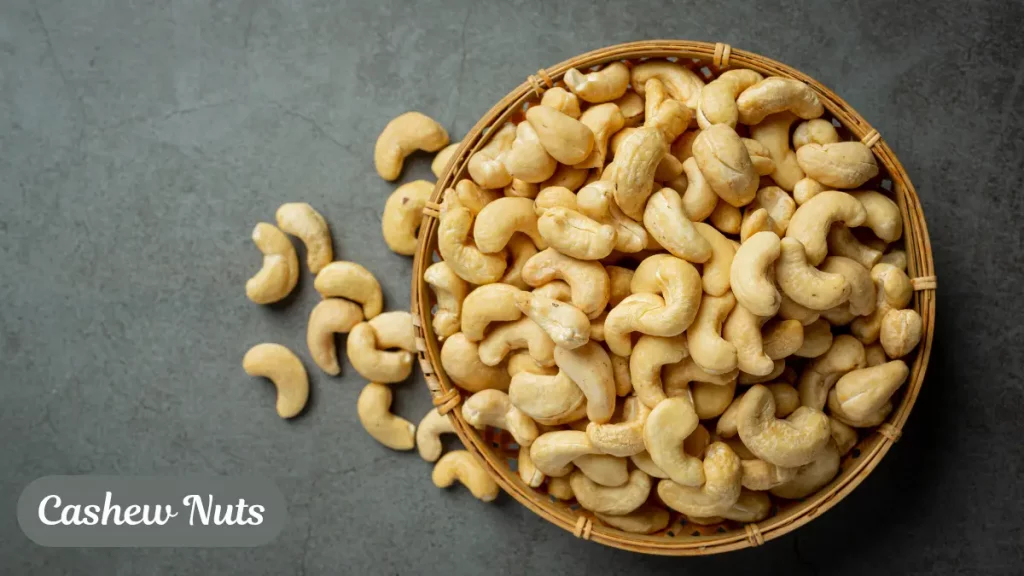
Cashews are probably the first thing everyone thinks of buying in Goa – and yes, they’re worth it. But here’s the catch: prices vary wildly depending on where you buy them.
Where I found the best cashews:
- Mapusa Market – This is where I got the best deal. Fresh stock and lots of variety.
- Panjim Market – Slightly higher prices but better packaging if you’re gifting
Price range I observed:
- ₹800 to ₹1200 per kg
- Premium varieties can go higher
What I learned:
There are different grades of cashews, and sellers don’t always explain that clearly. Larger, whiter cashews are usually higher quality.
My personal tips:
- I’d strongly suggest avoiding beachside stalls and airport shops. I saw the same cashew pack being sold for ₹300 – ₹400 more in tourist-heavy areas.
- I always grab a few extra packs because they disappear faster than you think – especially the spicy masala ones!
2. Feni (Goa’s Local Spirit – Unique but Plan Ahead)
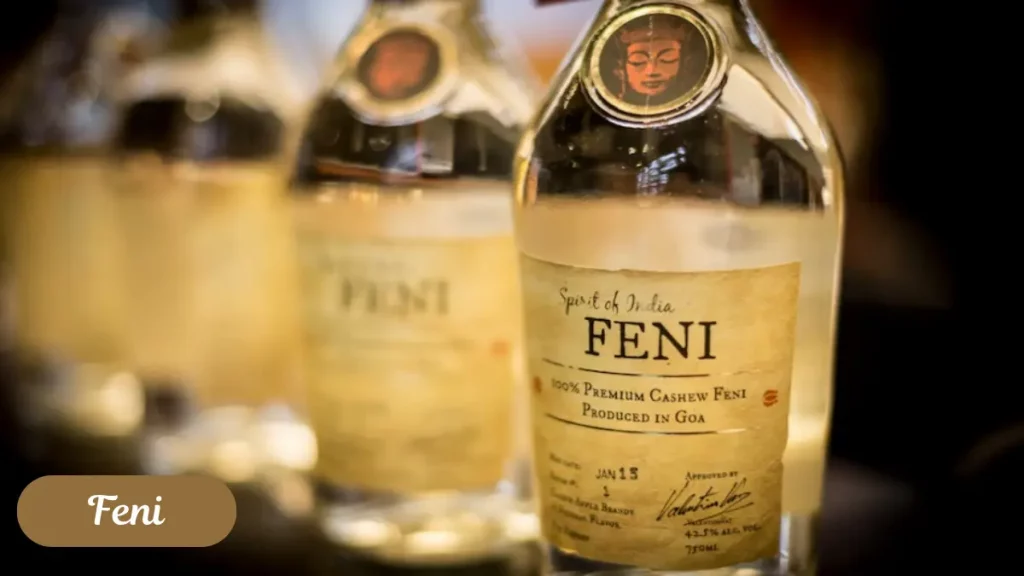
Feni is not just a drink – it’s part of Goa’s culture. It’s made from cashew apples or coconut and has a very strong, distinct taste.
Where I bought it:
- Government-approved liquor stores (safe and authentic)
Price range:
- ₹500 to ₹1500 depending on brand and quality
Important things I learned:
- Not all Feni tastes the same – some are much stronger than others
- Packaging matters if you’re carrying it home
My personal tip:
Before buying, always check airline rules for carrying alcohol & its quantity limits. This saved me from last-minute stress at the airport.
3. Goan Spices (Aromatic and Worth It)
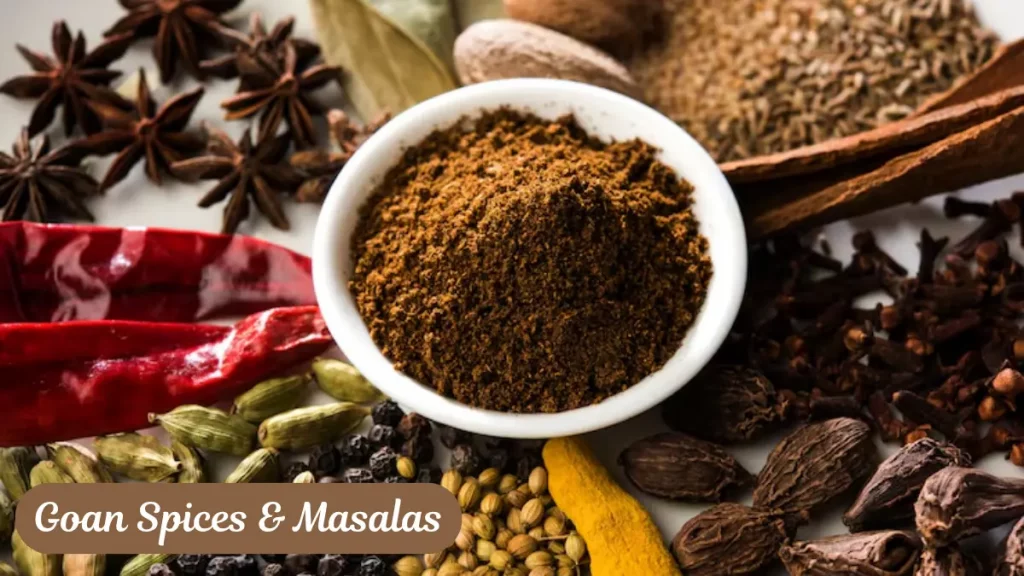
If you enjoy cooking, this is something you shouldn’t miss. The aroma of fresh Goan spices is completely different from what you get in supermarkets.
Where I found the best spices:
- Mapusa Market (fresh and affordable)
Price range:
- ₹100 to ₹500 depending on the spice
What I noticed:
Local vendors often sell spices loose, and they’re much fresher compared to pre-packed versions.
My personal tip:
Avoid buying spices from Fancy tourist shops as They look attractive but are often overpriced and less fresh.
4. Goan Sausages (Chorizo) – Spicy & Truly

One of the most unique things I discovered in Goa was Goan sausages (locally called chorizo). They’re very different from regular sausages – spicy, slightly tangy, and full of flavor.
If you enjoy trying regional food, this is something you should definitely take back.
Where I found authentic Goan sausages:
- Local markets in Mapusa
- Small village shops (recommended by locals)
Price range I saw:
- ₹300 to ₹600 per string (depending on quality and quantity)
- What I learned:
Not all sausages are the same. Some are:
- More spicy
- More oily
- Made using traditional methods
Local vendors often sell better quality than commercial stores.
My personal tips:
- Ask the seller if they are homemade or locally prepared
- Wrap them properly if you’re carrying them home
- These have a strong smell, so pack them carefully in airtight bags
- Also, if you’re traveling far, check how long they can stay fresh.
5. Beach Jewellery & Accessories (Stylish + Bargain-Friendly)

I always end up picking a few beach accessories in Goa – it’s hard not to. The markets are full of those easy, breezy pieces that just feel right for a holiday and somehow still work back home.
What I Usually Pick
- Shell anklets or a simple necklace
- A straw or jute bag that goes with literally everything
- A pair of statement earrings for beach dinners
Where I shopped:
- Anjuna Flea Market (best variety and vibe)
Price range:
- You’ll find good options anywhere between ₹100 to ₹1500, depending on where you shop and how well you bargain.
My experience:
Bargaining is expected here. I was quoted ₹1200 for a necklace and got it for ₹500 after negotiating.
My personal tips:
- Don’t hesitate to bargain. Start at 40–50% of the quoted price.
- I usually walk around a bit before buying as same things show up in multiple stalls, just at different prices. And honestly, I only pick what I know I’ll actually use later.
6. Portuguese Ceramic and Lamp Décor
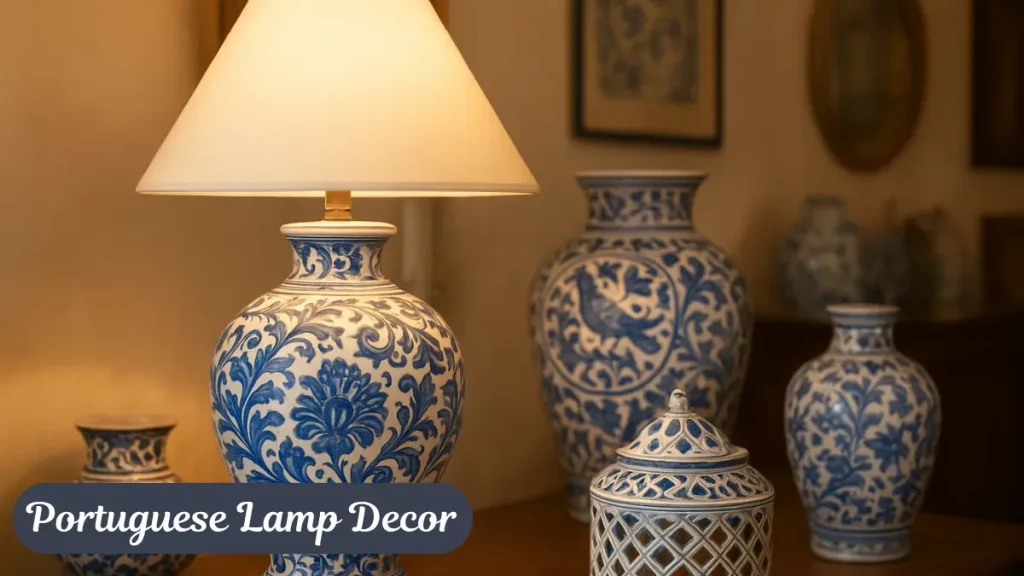
These are traditional Portuguese-style décor items with beautiful designs and quotes.
Where I found them:
- Shops in Panjim
Price range:
- ₹300 to ₹1500
Why I liked them:
They’re unique and not something you find everywhere in India.
My personal tips:
- Get proper packing – I made sure mine was bubble-wrapped to avoid damage.
- Avoid very cheap tiles – from my experience, they’re usually printed, not handmade.
7. Local Wines and Feni-based Liquors

Looking for something light and easy to carry back? Local Goan wines are a great choice – sweet, smooth, and perfect for casual sipping.
Try:
- Port wine (classic & most popular)
- Kokum wine (slightly tangy twist)
- Pineapple / fruit wines
Price range:
- ₹150 – ₹800 depending on the season
My personal tips:
- Best for gifting or beginners
- Easily available at local wine shops
- Go for sealed branded bottles
8. Traditional Goan Sweets
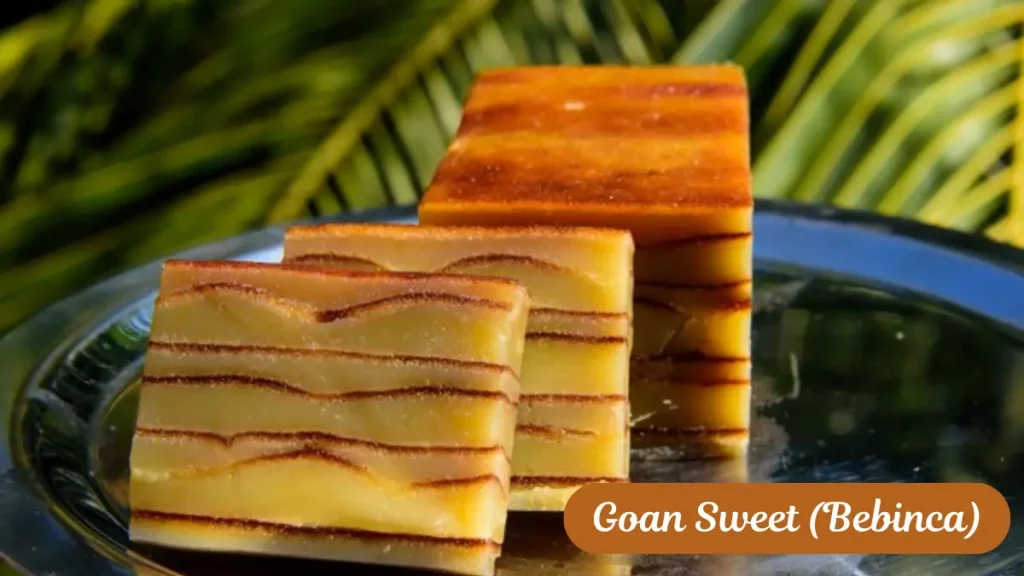
While Bebinca is the most famous Goan dessert, I realized there’s a whole variety of traditional sweets that most tourists miss.
Trying and buying these was honestly one of the highlights of my trip.
Bebinca (Layered Dessert)
This is Goa’s signature sweet – rich, layered, and slightly caramelized.
Where I bought it:
- Local bakeries in Panjim
Price range:
- ₹200 to ₹600
My personal tips:
- Buy it from a reputed bakery – I noticed a big difference in taste compared to random shops.
- If you’re traveling during Christmas, pick up Bebinca early – it sells out faster than you can say “merry Christmas!”
Dodol (Soft Coconut Sweet)
Dodol is a soft, chewy sweet made with coconut milk, jaggery, and rice flour.
What I liked:
- Unique texture
- Not overly sweet
Where I found it:
- Local sweet shops in Panjim and Mapusa
Baath Cake (Semolina Coconut Cake)
This was something new for me – a soft, slightly crumbly cake with coconut flavor.
My experience:
- It’s lighter than Bebinca and easier to carry.
Bolinhas (Coconut Cookies)
These are small, crispy cookies made with coconut.
Why I recommend them:
- Easy to pack
- Great for gifting
- Long shelf life
My overall tips for Goan sweets:
- If possible, taste before purchasing
- Always buy from local bakeries instead of tourist shops
- Check freshness before buying
Sustainable & Local Shopping in Goa
If you enjoy picking up things that actually mean something, Goa has some really lovely spots for that. I’ve found that shopping here isn’t just about souvenirs – it’s also about supporting the people and stories behind them.
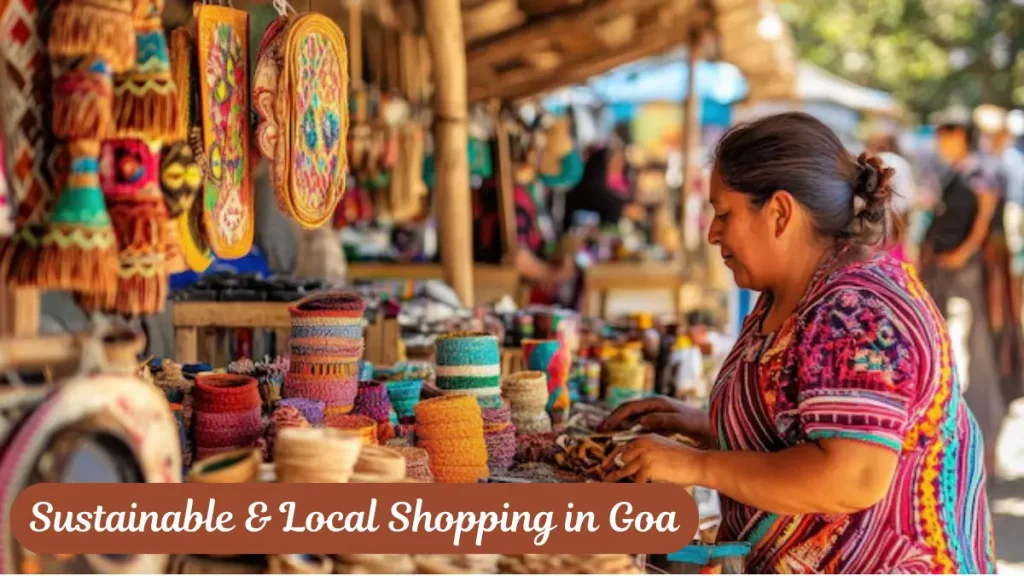
Here’s how you can shop responsibly while still finding beautiful, unique items:
- Support Local Artisans & Women’s Cooperatives – Buy from small-scale creators and self-help groups selling handmade crafts, embroidery, and crochet items. Your purchase directly supports local families and keeps Goan craftsmanship alive.
- Choose Eco-Friendly Products – Opt for bamboo and coconut-shell crafts, jute bags, terracotta pottery, and recycled-paper goods. These are not only sustainable but also make elegant, earthy souvenirs.
- Go Local with Food & Produce – Explore organic markets for locally sourced cashews, spice mixes, honey, pickles, and herbal teas. They’re healthier choices and great ways to taste Goa’s authentic flavours.
- Look for Ethical Brands & Markets – Shops like Paper Boat Collective (Sangolda), Barefoot (Assagao), and Goa Collective Bazaar (Ashwem) focus on sustainable, fair-trade goods — from clothing to home décor.
- Say No to Mass-Produced Souvenirs – Skip plastic trinkets or imported items. Instead, pick something handmade and meaningful — a hand-painted ceramic tile or a woven basket makes a far better keepsake.
- Respect the Environment While Shopping – Carry your own cloth bag, avoid plastic packaging, and buy only what you truly love or need. Every small choice adds up to make a positive impact.
Bargaining Tips & Local Etiquette
One thing I realized while shopping in Goa is that it’s not just about what you buy – it’s how you buy it. Some of my best purchases didn’t just come from the product itself, but from the little conversations, bargaining moments, and local interactions along the way. Here are a few things I learned that made my shopping experience much smoother:
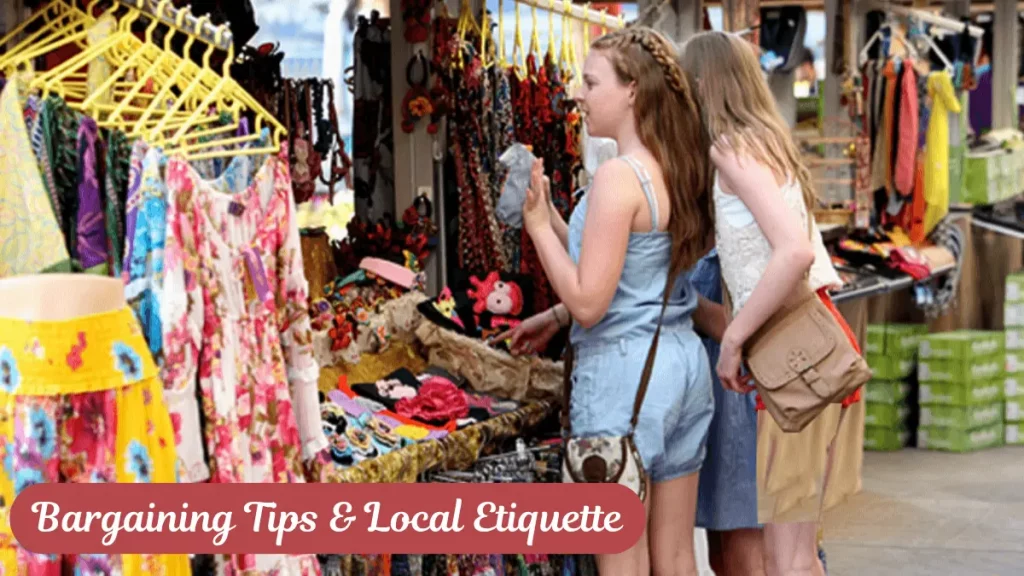
- Bargain politely – it really works!
At first, I felt awkward negotiating, but I quickly realized vendors actually expect it. Once I started bargaining with a smile, I managed to get some great deals without any discomfort.
- Take a round before buying anything
In the beginning, I almost bought items from the first stall I liked. But after walking around a bit more, I found the same things at better prices – sometimes even better quality.
- Always check quality carefully
I made it a habit to check things closely – especially jewellery, bags, and handicrafts. A quick look (and sometimes asking a question or two) helped me avoid buying low-quality items.
- Carry some cash with you
While many places accept UPI or cards, I noticed smaller stalls prefer cash. Having small notes made things easier, especially in flea markets.
- Be mindful of what you’re buying
I came across items made from shells and corals, which might look beautiful but can harm the environment. I avoided buying anything that didn’t feel ethically right.
- Timing can make a difference
I noticed early mornings were great for fresh stock, while evenings (especially near closing time) were better for discounts. I actually got a few good deals just before the market shut.
- Quickly test what you’re buying
Whether it was a bag zip or a decorative item, I made sure to check it before paying – just to avoid any surprises later.
- Keep small change handy
There were times when vendors didn’t have change for big notes, so carrying smaller denominations really helped.
Mistakes I Made (So You Don’t) While shopping in Goa
Looking back, I realized I could have saved quite a bit of money (and made better purchases) if I had been a little more careful. Here are a few mistakes I made that you should definitely avoid:
1. Bought from beach stalls → overpriced
In the beginning, I got carried away by the convenience of beachside shopping. Everything looked attractive, and it felt easy to just pick things up while relaxing.
But later, when I visited local markets, I saw the exact same items at much lower prices – sometimes ₹200–₹400 cheaper.
What I learned:
Beach stalls are great for browsing, but not the best place to buy if you want value for money.
2. Didn’t bargain initially
At first, I assumed prices were fixed – especially since some shops looked quite organized. So I paid the quoted price without negotiating.
Later, I realized bargaining is very common, especially in flea markets like Anjuna. Once I started negotiating, I was able to get items at 40–50% lower prices.
What I learned:
Always bargain politely – it’s expected, not rude.
3. Didn’t compare prices
In my excitement, I bought a few things from the first shop I liked. But when I explored more, I found similar items at better prices and sometimes even better quality.
What I learned:
Take a quick round of the market before buying – even 10–15 minutes of comparison can save you money.
4. Fell for fancy packaging
Some products, especially spices and sweets, were beautifully packed and looked premium. I assumed they were better – but that wasn’t always true.
In fact, I later found fresher and more authentic options from simple local vendors at lower prices.
What I learned:
Don’t judge by packaging – focus on freshness, quality, and source.
How Coral BnB Can Make Your Shopping Easier?
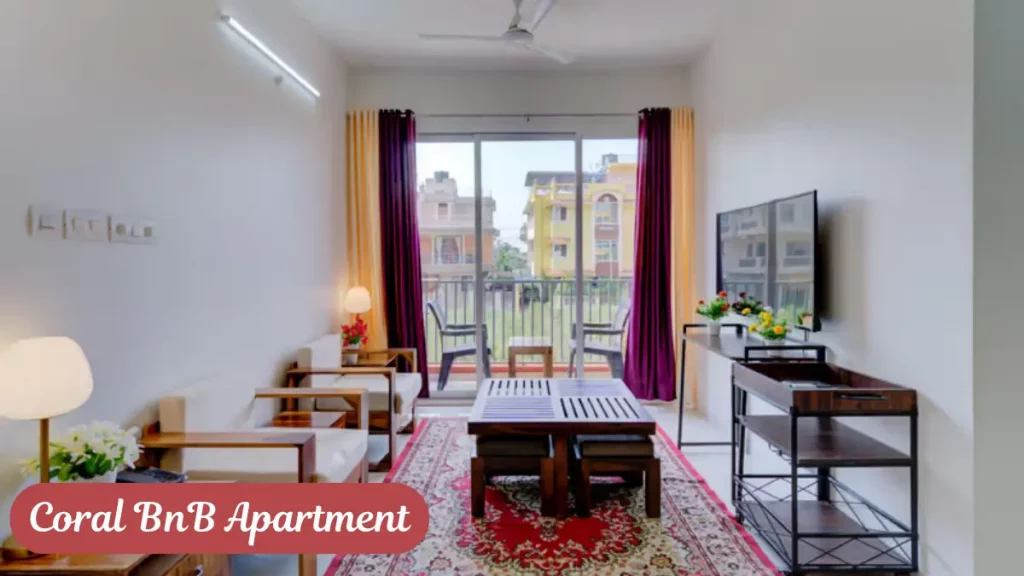
At Coral BnB, you’re never far from Goa’s most vibrant markets!
Our properties are close to Anjuna and Calangute — the heart of all shopping action. Plus, we can arrange cabs or taxi services through our trusted partners, making it easy for you to explore every local bazaar.
We also love sharing insider tips on hidden boutiques and sustainable items to buy in Goa – so you can experience the best of Goan culture, not just as a tourist but as a local.
Book your stay with Coral BnB and enjoy not just a comfortable stay, but also cab booking support, local guidance, and a truly stress-free Goa trip. For directly booking your stay with us call us on +91 8591999700.
Conclusion
Shopping in Goa is as lively and colourful as its beaches! Whether you’re hunting for souvenirs to buy in Goa, Goa special items to buy, or just cheap things to buy in Goa from flea markets, there’s something here for every budget and taste.
And when you stay at Coral BnB, exploring these treasures becomes even easier – with comfort, local insights, and warm Goan hospitality waiting for you.
So pack light – because you’ll definitely find plenty of things to get in Goa before your trip ends!
FAQs About Shopping in Goa
1. What are the best things to buy in Goa?
Cashews, Feni, spices, bebinca, handicrafts, and beachwear are some of the best things to buy from Goa.
2. What are some cheap things to buy in Goa?
Shell jewellery, sarongs, bamboo crafts, and souvenirs are the most cheap things to buy in Goa.
3. What is famous in Goa for shopping?
Feni, cashew nuts, Azulejos tiles, and beach accessories are the famous things in Goa for shopping.
4. Where can I shop in Goa?
Anjuna, Mapusa, and Calangute markets are top spots for things to buy at Goa.
5. What are the must buy things in Goa for gifting?
Local wines, cashew nuts, ceramic tiles, and sweets like Bebinca are Goa famous things to gift.
6. Is shopping expensive in Goa?
Shopping in Goa can be affordable if you shop in local markets. Tourist areas like beaches and airports are usually more expensive.
7. Can I carry alcohol (Feni) from Goa?
Yes, you can carry Feni, but airline rules and quantity limits apply. Always check guidelines before buying.
8. Is bargaining allowed in Goa markets?
Yes, bargaining is common, especially in flea markets like Anjuna. It’s expected and can help you get better prices.
9. What is the best time for shopping in Goa?
From my experience morning (for fresh items) & evening (for better discounts) is the best time for shopping.